Why Indian Traditional Art
Still Matters in the Modern World
SHARE:

SHARE:
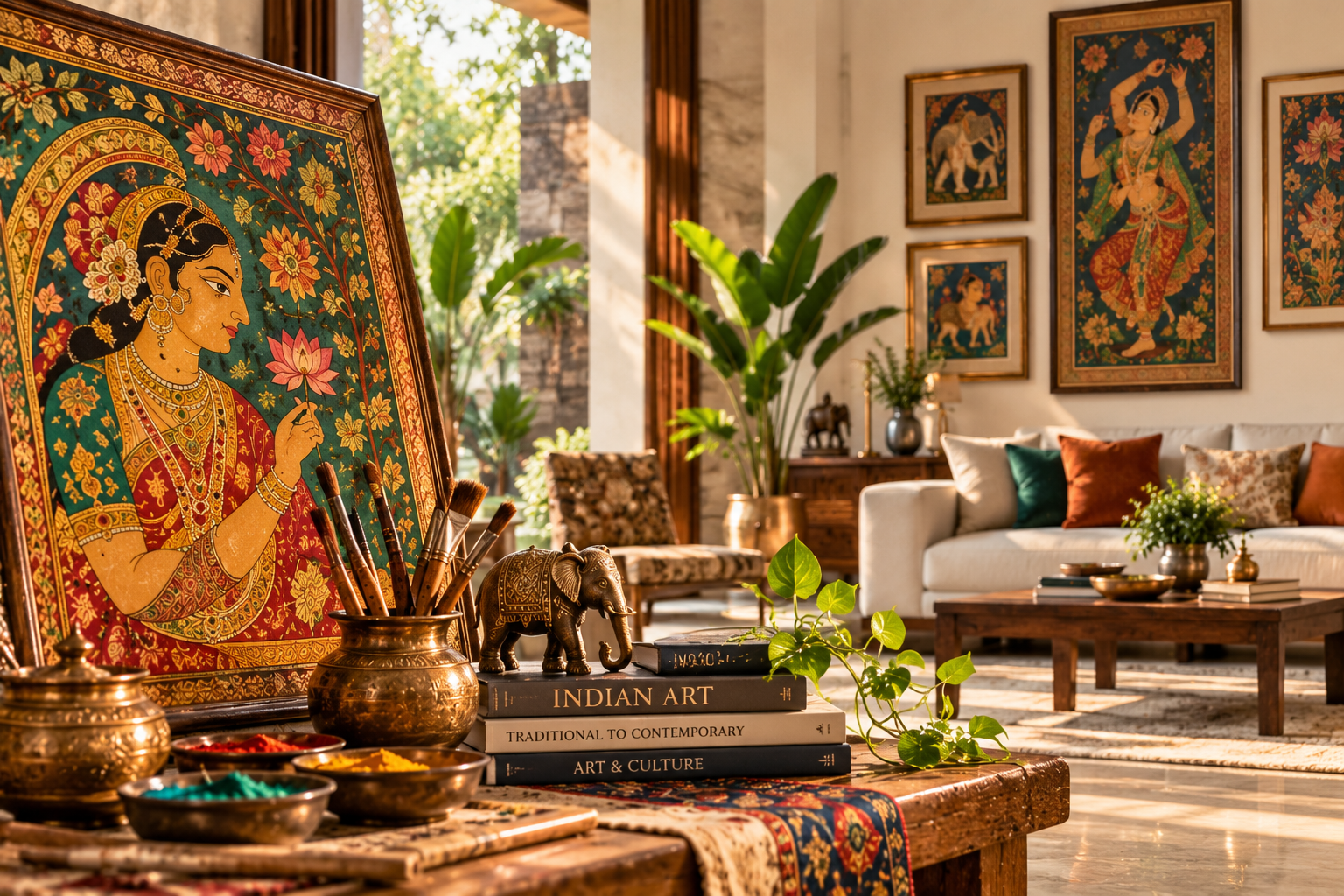
In a world shaped by digital technology, changing lifestyles and contemporary design, traditional Indian art continues to hold a special place. Its intricate patterns, expressive figures, vibrant colours and meaningful stories connect us with a rich artistic heritage that has evolved over centuries.
From the detailed beauty of Tanjore paintings to the storytelling traditions of Madhubani, Warli and Pattachitra, Indian art represents the creativity and cultural knowledge passed down through generations.
Traditional art is not simply a reminder of the past. It remains a source of inspiration for contemporary artists, interior designers, collectors and people who want to bring meaningful creativity into their everyday lives.
"Traditional art remains timeless because every generation can discover new meaning in the stories, colours and craftsmanship of the past."
India's cultural diversity is reflected in its many regional art traditions. Each community has developed distinctive visual styles, techniques, motifs and storytelling practices that express its history and cultural identity.
Traditional paintings often portray mythology, festivals, spiritual beliefs, nature and community life. These subjects allow cultural stories to be shared between generations and help preserve artistic traditions that might otherwise become less familiar to younger audiences.
From the geometric forms of Warli art to the elaborate compositions of Pattachitra and the intricate patterns of Madhubani, different Indian art forms demonstrate how communities express their identities in unique ways.
Appreciating traditional art helps us recognise the value of cultural knowledge and the creative communities that continue to keep these practices alive.
Traditional art continues to inspire contemporary creative expression. Artists and designers often draw upon heritage motifs, regional patterns, natural forms and traditional techniques to develop fresh interpretations of familiar visual languages.
A traditional motif can inspire a modern illustration, a detailed painting can influence a contemporary composition, and a folk-art pattern can become part of a new decorative design. These interpretations allow artistic traditions to evolve without losing their cultural connections.
Handcrafted paintings often reveal the patience, skill and attention to detail involved in their creation. Differences in brushwork, patterns and execution can give an artwork a distinctive character that viewers appreciate.
By learning traditional methods and exploring contemporary ideas, artists can create work that speaks to modern audiences while remaining connected to their artistic roots.
Tradition does not prevent creativity. It gives creativity a foundation from which new ideas can grow.
Contemporary homes often feature simple furniture, clean architectural lines and carefully selected colours. Traditional Indian paintings can bring warmth, detail and personality to these spaces while introducing a connection to cultural heritage.
A striking traditional painting can become the centrepiece of a living room, hallway or dining space. Its colours and composition can create visual interest and give the room a distinctive identity.
Traditional artwork can complement neutral walls, wooden furniture, natural fabrics and contemporary decorative accessories. A thoughtful combination of old and new creates an interior that feels personal rather than tied to a single trend.
When chosen thoughtfully, traditional art becomes an integral part of a home's character and a reflection of the people who live there.
Behind every traditional painting is a process of learning, practice and artistic decision-making. Many art traditions depend on skills passed between teachers, families and generations of practitioners.
Supporting traditional artists helps create opportunities for their skills to be recognised and their work to reach wider audiences. It also encourages continued interest in the techniques and cultural knowledge associated with their art forms.
Learning about the artist, the painting technique and the tradition behind an artwork can make collecting art a more rewarding experience. Understanding its background helps buyers appreciate more than its decorative appearance.
Every opportunity to appreciate and support traditional art helps maintain a meaningful connection between artists, communities and audiences.
Digital platforms have created new opportunities for people to discover Indian traditional art. Online galleries, artist portfolios, virtual exhibitions and social media can introduce regional painting styles to audiences far beyond their places of origin.
People can explore artworks, learn about artistic techniques and discover artists without always needing to visit a physical exhibition. Digital collections and educational content can also help preserve information about heritage art.
Technology can help share and document traditional art, but it does not replace the experience of understanding an original artwork, its materials or the skills required to create it. Both digital access and physical appreciation have an important place.
When used thoughtfully, digital tools can help more people discover India's artistic heritage and develop a lasting interest in traditional painting.
Indian traditional art continues to matter because it brings together cultural identity, creative expression, craftsmanship and storytelling. It reminds us of the communities and generations that have shaped India's artistic landscape.
Its influence can be seen in contemporary paintings, modern interiors, educational initiatives and the growing ways people discover art. By appreciating traditional techniques and supporting artists, we can help these traditions remain relevant in a changing world.
At Gallery of Canvas Art (GOCA), we believe paintings offer a meaningful way to connect with creativity, culture and personal expression. Exploring traditional Indian art allows us to celebrate our heritage while discovering its place in modern life.
"Traditional art is not only a reflection of where we come from. It is an inspiration for what we can create next."